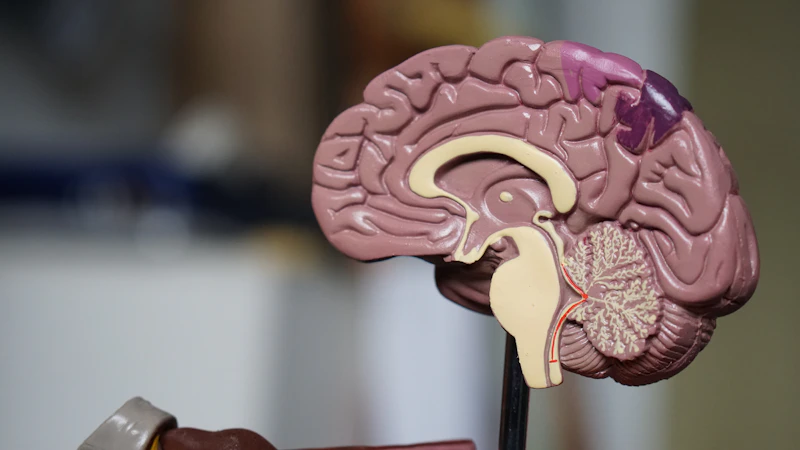
At the Institute of Genetic Poetry, we pioneer the synthesis of genomic sequences and poetic expression through advanced computational models, exploring the deep linguistic structures within biological code.
Founded in 2024, the Institute of Genetic Poetry stands at the convergence of computational biology, digital humanities, and artistic inquiry. Our mission is to decode and recode the poetic potential within genetic sequences.
We believe DNA is not merely a biological blueprint but a complex textual artifact—a poem written in the language of nucleotides. Through algorithmic analysis and generative models, we translate these biological texts into human-readable poetry, revealing unexpected beauty and meaning.
In 2026, our research has expanded into synthetic genetic poetry, where we design novel sequences that are both biologically functional and aesthetically significant, pushing the boundaries of what it means to create life and art simultaneously.
Research Projects
Publications
Team Members
International Labs
Our interdisciplinary work spans computational biology, digital literature, and generative art.
Developing neural networks that map genetic sequences to poetic structures, preserving semantic and syntactic patterns across languages—biological and human.
Learn moreEngineering novel DNA sequences that encode functional proteins while also forming valid poetic meters and rhyme schemes when translated into text.
Learn moreInvestigating the semiotic relationships within genetic code, treating codons as signs and regulatory networks as grammatical structures.
Learn moreCreating physical and digital artworks from genetically-derived poetry, including 3D-printed sculptures, interactive installations, and live performances.
Learn moreKey papers and publications from our institute in 2025–2026.
We demonstrate that eukaryotic promoter regions exhibit statistically significant iambic pentameter patterns when translated through our semantic mapping algorithm.
Read AbstractUsing generative adversarial networks trained on classical poetry and genomic databases, we produce coherent sonnets from edited yeast genomes.
Read AbstractWe encoded Homer's Odyssey into synthetic DNA with error‑correcting codes derived from poetic meter, achieving unprecedented density and longevity.
Read AbstractInterdisciplinary experts bridging biology, computer science, and literary theory.
Director & Computational Biologist
Former lead at BioCode AI Lab. PhD in Systems Biology from MIT. Focus: algorithmic translation models.
Head of Synthetic Design
PhD in Synthetic Biology, Stanford. Designed the first poetic operon in E. coli. 15+ patents in genetic design.
Lead Biosemiotician
PhD in Semiotics & Literature, Harvard. Author of "The Grammar of Life: Linguistic Structures in Genomics".
Generative Art Director
MFA in Digital Media, Rhode Island School of Design. Creates immersive installations from genetic data.
Conferences, workshops, and public exhibitions.
Annual gathering of researchers, artists, and philosophers exploring the aesthetic dimensions of genetic code. Keynote by Nobel laureate Dr. Lena Schröder.
Register NowHand‑on workshop for poets and programmers. Learn to write Python scripts that translate DNA sequences into haiku and sonnets. No prior biology knowledge required.
ApplyGallery exhibition featuring 3D‑printed sculptures, generative visuals, and live performances derived from the human genome. Opening night includes a poetry reading by AI‑generated voices.
View DetailsCo‑hosted with the University of Copenhagen. Presenting our latest findings on semantic networks in prokaryotic gene regulation.
Call for PapersWe welcome partnerships with academic institutions, artists, and technology innovators.
23 Genomic Avenue, Suite 500
Bio‑Arts District
San Francisco, CA 94107
General Inquiries: +1 (555) 202‑GENOME
Media: [email protected]
Collaborations: [email protected]
Monday–Friday: 9am–7pm PST
Saturday: 10am–4pm (by appointment)
Sunday: Closed